
Last verified: September 20, 2026.
The war between the United States and Iran is still running, there is no ceasefire, and there are no direct talks. The 60-day window set by the June 17 Islamabad Memorandum expired on August 17 with no agreement, and the Congressional Research Service describes diplomacy as being at a standstill. Fighting flared again from August 30 to September 2, then stopped. Since roughly September 7 neither side has announced a strike, which is a pause nobody has agreed to rather than a truce.
The war began on February 28, 2026. Nearly seven months in, the centre of gravity has moved from the air campaign to the Strait of Hormuz and the terms under which traffic through it returns to normal.
What has changed since mid-August
Most recent first. Each entry is dated, and the ones that matter most carry a primary source.
September 17 — A UN fact-finding mission found reasonable grounds to believe the United States committed a war crime, citing strikes at Minab and Lamard, and also found crimes against humanity by Iran.
September 7 onward — No announced coalition strikes on Iranian territory. Iranian missile and drone activity also stopped. Neither government has called it a ceasefire.
August 30 to September 2 — The heaviest exchange since July. US strikes in southern Iran, Iranian ballistic missiles at a US-used air base in Jordan.
August 24 — The Treasury launched Operation Economic Outcast, designating Iranian aviation, shipping, gold, digital asset and technology sectors and suspending general licences.
August 19 — Trump announced secondary sanctions on any country trading with Iran.
August 17 — The Islamabad Memorandum lapsed without a deal. Trump said the 60 days had never been a hard deadline.
The pattern is worth naming plainly. The shooting has paused without anyone agreeing to stop, the economic campaign has replaced the diplomatic one, and the only live negotiating track is between Iran and Oman over shipping.
How it got here
Kept short, because the background is context rather than the story.
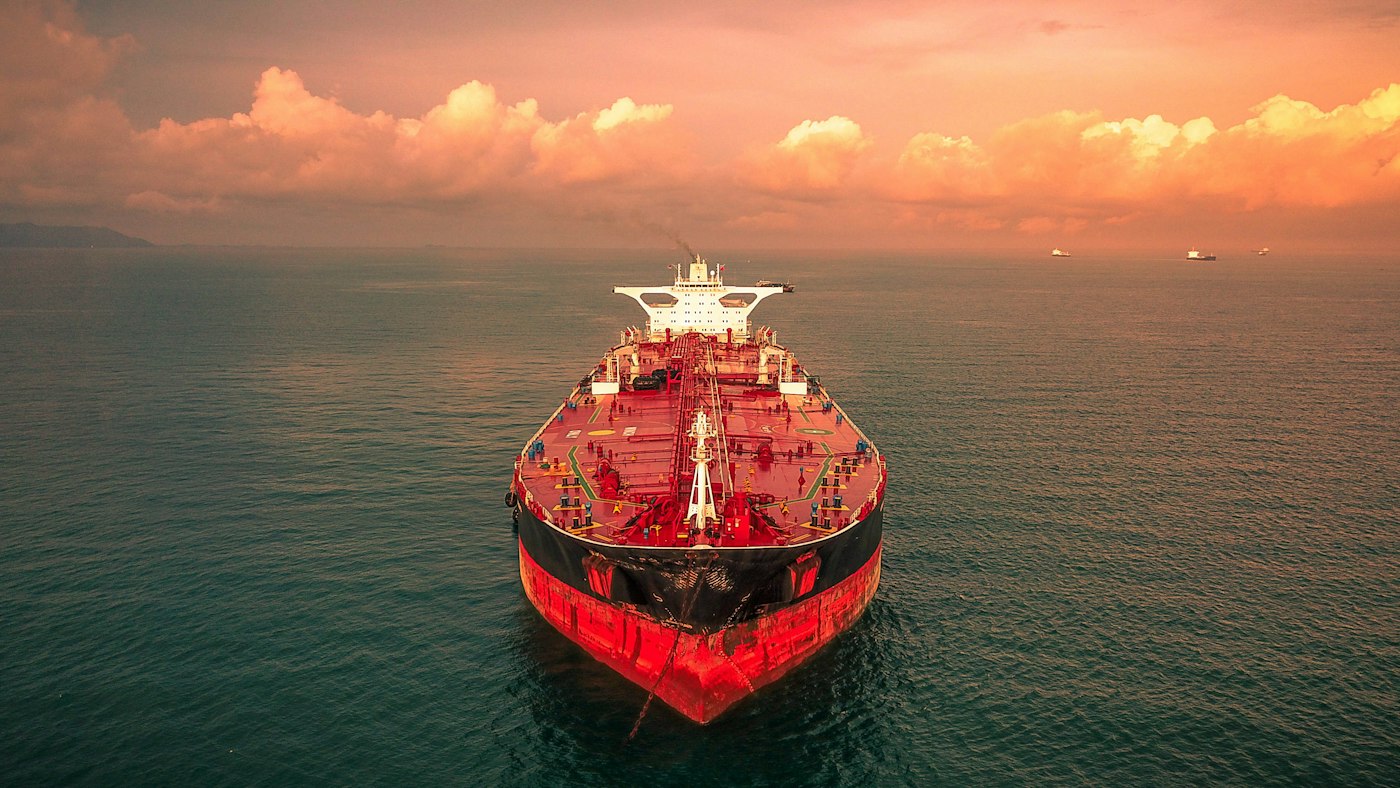
On February 28, 2026, the United States and Israel launched strikes on Iran after Tehran refused US demands to end all nuclear enrichment. Supreme Leader Ali Khamenei was killed in the opening attacks, which Iranian President Masoud Pezeshkian confirmed. Iran retaliated with missile and drone attacks across the region and closed the Strait of Hormuz.
Since then the diplomatic track has repeatedly started and collapsed:
April 8 — a ceasefire took effect, initially for two weeks, extended indefinitely on April 21.
June 17 — the US and Iranian presidents signed a memorandum of understanding, often called the Islamabad Memorandum, setting a 60-day window to negotiate final terms.
July 8 — Trump announced the ceasefire was over. Both sides had accused the other of violations throughout.
Iran's position since is that it will not negotiate directly while Washington is in breach of the June memorandum. Washington's position is that talks are continuing in a low-key form. Both statements were made in the same 48 hours, and they are not easy to reconcile.
Where it could go next
This section is analysis, not prediction. Treat it accordingly.
A Hormuz deal without a peace deal
This is the nearest-term possibility and the one the past fortnight points at. Iran reaches an arrangement with Oman on managing traffic, shipping partially resumes under conditions, and oil prices fall — without any settlement of the nuclear question or an end to strikes. Araghchi's August 9 comment cuts directly against assuming the deal alone reopens the strait, so even this narrow outcome is not close to certain.
Continued attrition
Strikes continue at the current tempo, the strait stays shut or semi-shut, and regional actors — the Houthis most visibly — keep widening the target set. The August 9 Jazan attack fits this pattern: pressure applied to a third country's energy infrastructure rather than directly between the principals.
Could the US invade Iran on the ground?
Several of the searches that bring people to pages like this one ask exactly that, so it is worth answering rather than dodging.
No US ground invasion has taken place, and the question remains contested among analysts. Ali Vaez of the International Crisis Group has argued a ground operation is plausible given the trajectory of US decisions. Betting markets have carried elevated odds on one at various points, but those prices are sentiment rather than evidence, and the contract wording usually matters more than the headline number.
Against that, US force posture has thinned rather than built. Public reporting on which carriers are on station has been inconsistent, and the Navy does not confirm future movements. A ground invasion of a country of roughly 90 million people would require a scale of build-up that is difficult to conceal and that has not been reported. Analysts across the spectrum agree the costs would exceed anything the currently assembled forces are structured for.
The honest summary: it is no longer treated as unthinkable, which is itself a change from a year ago, but nothing in the current force posture suggests it is imminent.
What it means in the United States
The clearest domestic effect is at the pump. On February 28, the day the strikes began, the AAA national average for regular gasoline was just under $3 a gallon. It peaked around $4.50 in June. It has stayed well above pre-war levels since. AAA publishes the current national and state averages daily, which is a better guide than any figure quoted in an article.
That translates almost mechanically from the strait. When traffic through the strait is constrained, headlines about a Muscat framework move crude by several percent in a single session. We covered why this specific stretch of water sets the world oil price in our explainer on the Strait of Hormuz, and the mechanics of how that reaches US pumps in why gas prices are rising.
Two other consequences are worth tracking. Shipping and insurance costs across the Gulf remain elevated while the strait is shut, which feeds into goods prices with a lag. And the August 9 Pentagon memo on munitions production is a signal about expected duration — militaries do not ask industry to surge output for a conflict they expect to end within weeks.
Frequently asked questions
What is the current status of the US-Iran conflict?
As of September 20, 2026: the war is active, no ceasefire has been agreed since the July 8 collapse, and the June memorandum lapsed on August 17. The Strait of Hormuz has reopened but remains contested. Neither side has announced a strike since around September 7, which is an unagreed pause rather than a truce.
Is the US at war with Iran?
The United States has been conducting military operations against Iran since February 28, 2026, and Iran has struck back across the region. There has been no formal declaration of war by Congress. In practical terms the two countries are in an armed conflict that has run more than five months.
Could the US invade Iran?
No ground invasion has happened. Some analysts consider it plausible and prediction markets have priced meaningful odds on it, but US carrier presence in the region has decreased since April rather than increased, and no build-up on the scale a ground operation would require has been reported.
Is the Strait of Hormuz open?
Partly. Traffic collapsed when the war began on February 28 and Iran declared the strait closed in early March. It reopened after the June 18 memorandum, and the US Navy cleared mines from the shipping lanes in late August. Transits are running but the waterway remains contested, and Iran has said an agreement with Oman does not by itself settle the question.
Why are gas prices still high?
Because more than a quarter of the world's seaborne oil trade normally passes through Hormuz, and it is not passing. Prices fell from the June peak on de-escalation hopes but remain well above the pre-war level.
When will the war end?
Unknown. Trump said in early August that he expected it to end soon, but no framework has been agreed and the June memorandum lapsed on August 17. The current quiet is a pause neither side has committed to.
The bottom line
Five and a half months in, the war has settled into a form that is neither escalation nor resolution: strikes continuing at a reduced tempo, a closed waterway doing more economic damage than the strikes themselves, and negotiations that both sides describe differently on the same day.
The single indicator worth watching is the Strait of Hormuz. If the Oman framework produces actual traffic through the strait, oil falls and the pressure on both governments changes shape. If it does not, the current pattern — attrition, widening regional attacks, and $4 gasoline — is the base case.
This is a developing story, last verified on September 20, 2026. Dated events are sourced to the Congressional Research Service, the US Treasury, the UN and the EIA where a primary record exists, and to major wire reporting where it does not. Claims we could not verify against a primary source have been removed rather than repeated.


