
What Is a Gaylord Box? Uses, Sizes & Shipping Benefits
If you work in shipping, warehousing, manufacturing, or waste management, you have probably heard the term "Gaylord box." But what is a Gaylord, and how is it different from an ordinary cardboard box?
A Gaylord box is a large, heavy-duty corrugated container built to store and transport bulk materials. It sits on a standard pallet so a forklift or pallet jack can move it. You will also see them sold as bulk boxes, pallet boxes, corrugated bulk bins, or Gaylord containers.
The name is not a technical term. It comes from the Gaylord Container Company, an early manufacturer whose brand name stuck to the whole product category, the same way people say Dumpster or Thermos.
What is a Gaylord box used for?
A Gaylord box can hold many kinds of bulk cargo. Its exact use depends on its construction, size, wall thickness, and weight capacity.
Common contents include plastic components and resin, metal parts and hardware, packaged food products, clothing and textiles, recyclable materials, electronic components, agricultural products, manufacturing scrap, and bottles or other lightweight loose items.
Because these pallet-sized boxes hold far more than standard cartons, they cut down the number of individual packages a business has to store, label, and track.
Some Gaylord containers include plastic liners. A liner adds protection against dust, moisture, leakage, or contamination. Confirm that both the box and the liner suit the specific product you are handling, particularly for anything that will later be sold as food or packaging.
What is a Gaylord in shipping?
In shipping, a Gaylord is a large corrugated box placed on or secured to a pallet. The pallet supports the container and lets warehouse staff move it with material-handling equipment.
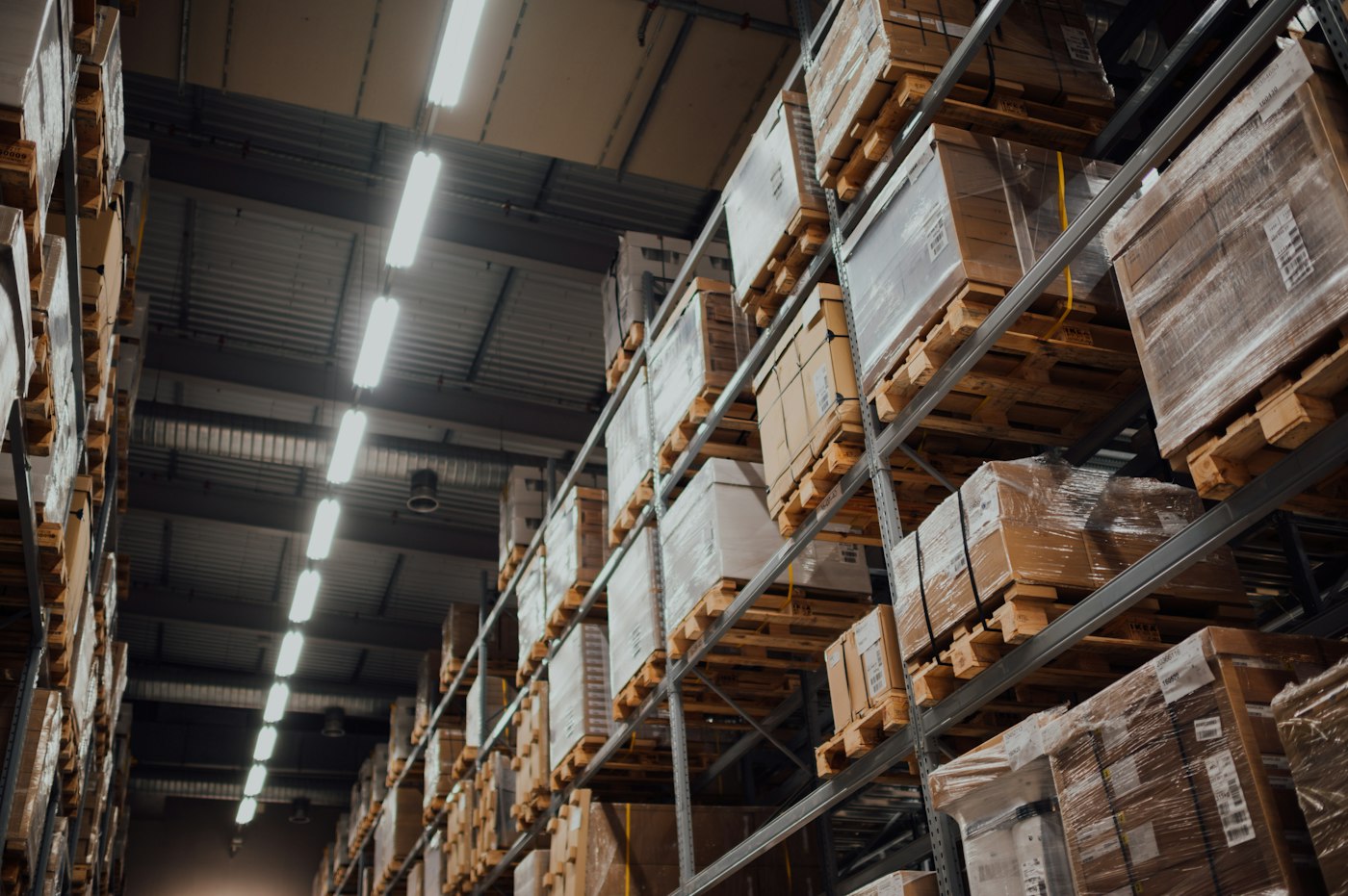
Gaylord shipping is common for large volumes of loose or individually packaged goods. Instead of loading dozens of smaller boxes, a company loads one bulk container.
The box still has to be packed correctly. Uneven weight distribution, excessive stacking, or overloading can damage the container and create a genuine workplace safety risk.
Benefits of using Gaylord boxes
This is the practical case for switching from cartons to bulk bins:
Faster loading and unloading. One forklift move replaces dozens of manual carton handlings.
Fewer packages to manage. Less labeling, scanning, and tracking overhead per unit shipped.
Better use of warehouse space. Boxes stack to the pallet footprint rather than sprawling.
Lower packaging cost. One container instead of many cartons, and used boxes cost less again.
Recyclability. Most corrugated Gaylord boxes can be recycled, though liners, coatings, and contamination affect what your local facility will accept.
Flexible storage. The same container holds loose products, packaged goods, or raw manufacturing materials.
They are not suitable for every application. Sensitive, hazardous, liquid, or food-grade products may require certified containers, protective liners, or specialized packaging.
Common Gaylord box sizes
There is no single legally defined Gaylord size, but the market has largely standardized around one: 48 x 40 x 36 inches. That footprint matches the standard 48 x 40 inch GMA pallet used across most of North American logistics, which is the entire reason it became the default.
Heights vary widely, from roughly 24 inches for dense materials up to 48 inches or more for bulky, lightweight goods.
When selecting a size, weigh up the pallet dimensions, how much material you are storing, the space you have available, your truck or shipping container dimensions, the product's weight and density, and your stacking requirements.
A larger box is not automatically the better choice. Dense materials routinely hit the container's weight limit long before the box is physically full.
How much weight can a Gaylord box hold?
Capacity depends on wall construction and board grade, and the range is enormous. This is where most buyers get it wrong.
Wall construction refers to how many layers of fluted medium sit between the flat linerboard sheets:
Single-wall: one fluted medium between two liners.
Double-wall: two mediums separated by three liners.
Triple-wall: three mediums separated by four liners.
Board grade is usually expressed as an ECT rating. ECT stands for Edge Crush Test, and it measures compression strength in pounds per linear inch. A higher ECT means the box resists crushing better when stacked. Suppliers commonly stock Gaylords at 32 ECT for standard duty and 48 ECT for heavy duty in the same 48 x 40 x 36 size.
At the top of the range, a triple-wall Gaylord in that standard size can be rated for roughly 1,100 pounds of contents. Lighter single-wall models are rated for a fraction of that.
Never estimate a weight limit from the appearance of the box. Check the manufacturer's stated capacity, and account for the container's condition. Moisture, tears, crushed corners, damaged seams, and repeated reuse all reduce strength, sometimes dramatically. The pallet underneath must also be rated for the total load.
How to choose the right Gaylord box
Before buying, identify what you will store, how much it weighs, and how the box will be moved. Then work through:
Internal and external dimensions
Maximum weight capacity
Wall construction and ECT rating
New or used condition
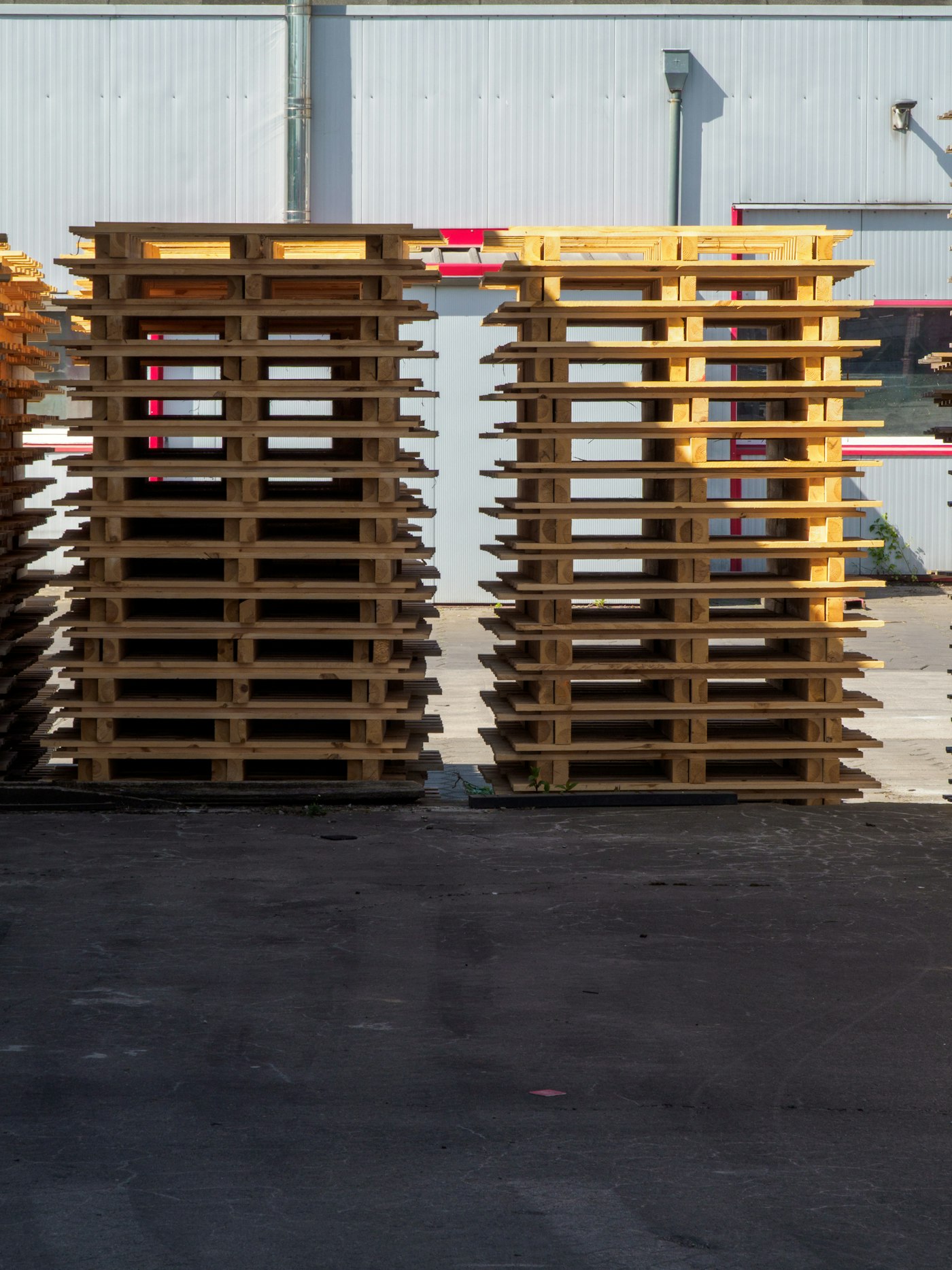
Pallet compatibility
Moisture and contamination protection
Stacking and transportation requirements
Used Gaylord boxes cut costs significantly, but inspect them for structural damage and contamination before reuse. A box that previously held chemicals or unknown scrap is not a candidate for food-adjacent or clean-room work regardless of how it looks.
Frequently asked questions
Is a Gaylord the same as a pallet box?
The terms are used interchangeably in most of the industry. A Gaylord is generally a large corrugated pallet box used for bulk storage and shipping.
What does ECT mean on a Gaylord box?
Edge Crush Test. It measures how much compression the board withstands per linear inch, which determines how well the box holds up when stacked. A 48 ECT box is meaningfully stronger than a 32 ECT box of the same dimensions.
Are Gaylord boxes reusable?
Many are, provided they stay clean, dry, and structurally sound. Suitability depends on the previous contents and the next intended use.
Can Gaylord boxes be recycled?
Most corrugated models are recyclable. Liners, coatings, contamination, and local recycling rules all affect your disposal options.
Final thoughts
A Gaylord box is a durable, pallet-sized container for bulk storage, industrial packaging, and freight handling. The two specifications that actually matter are wall construction and ECT rating, because those determine whether the box survives the load you put in it. Get those right, match the size to a standard pallet, and the efficiency gains follow.


