
Jestermaxxing: What the viral dating slang actually means
Someone cracks jokes on a date. Is that flirting, a good sense of humor, or "jestermaxxing"? Online, the answer depends less on whether the joke lands and more on why the person appears to be performing.
Jestermaxxing is internet slang for trying too hard to earn attention, approval, or romantic interest by acting funny, goofy, or self-deprecating. The label is usually an insult. It suggests that someone has made themselves the entertainment while other people enjoy the show without respecting or desiring them.
What is jestermaxxing?
In its original, negative sense, jestermaxxing describes performative humor used to compensate for a perceived lack of looks, status, or confidence. Picture someone who keeps making themselves the punchline because being laughed at feels better than being ignored.
The term combines "jester," a performer who entertained a royal court, with "maxxing," an internet suffix meaning to maximize a trait or activity. The suffix became widely recognized through looksmaxxing, the practice of trying to improve one's physical appearance.
Context matters. Calling someone a jestermaxxer does not simply mean that the person is funny. It implies a lopsided social exchange: they supply constant entertainment in the hope of receiving affection or acceptance.
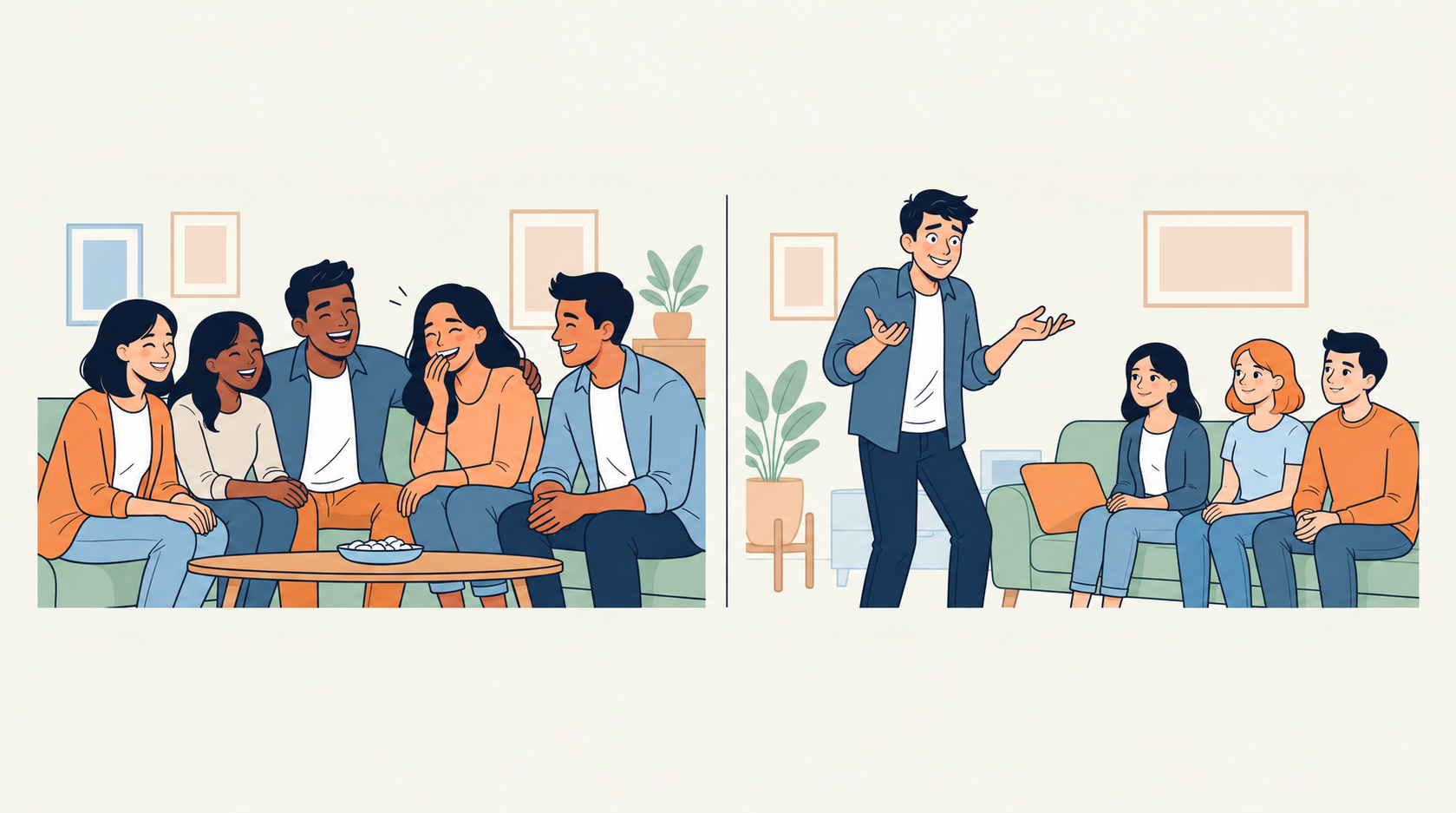
Ordinary humor is usually about sharing a laugh, with everyone participating in the moment. Jestermaxxing, by contrast, is perceived as performing repeatedly to win approval or attraction. It may also involve frequent or humiliating self-deprecation, while ordinary humor tends to use self-mockery lightly and occasionally.
This distinction is subjective.
A short clip cannot reveal a person's motives, and an outgoing person may simply enjoy making others laugh.
Where did the jestermaxxing meaning come from?
The slang predates the TikTok trend. Know Your Meme's documented timeline (https://knowyourmeme.com/memes/jestermaxxing) traces an early public example to an April 2021 Looksmax.org post titled "How to stop Jestermaxxing?" The writer described using humor to avoid being ignored, only to become a target of bullying.
That history places the word within looksmaxxing and incel-adjacent spaces. These communities often treat dating as a rigid contest based on appearance and social rank. In that worldview, a highly attractive person can be funny without losing status, while a less attractive person risks being accused of performing for attention.
That assumption belongs to the subculture's belief system. It is not an objective rule about attraction.
The "maxxing" construction has since escaped those forums. Social media users now attach it to serious self-improvement trends and absurd jokes alike.
How the jestermaxxing TikTok trend took off
The term reached a much larger audience in early 2026. According to the documented meme timeline, a January post featuring looksmaxxing streamer Clavicular used the caption "Jestermaxxing at the club is officially the new meta." The clip and caption spread across TikTok and X, where people copied and mocked the jargon.
The joke was partly about the behavior and partly about how strange the word sounded. Users soon applied it to awkward flirting or anyone acting like the group's comic relief.
That shift explains why two definitions now circulate:
1. The older subcultural meaning: using humor in a supposedly degrading attempt to gain attention or attraction.
2. The broader meme meaning: acting unusually silly, often with self-aware irony.
Someone posting "I'm jestermaxxing at this party" may be poking fun at their own behavior rather than seriously following a dating strategy. Tone and context make the difference.
Is jestermaxxing always a bad thing?
Being funny is not the problem. A study published in the Personality and Social Psychology Bulletin (https://pubmed.ncbi.nlm.nih.gov/37837301/) found that humor can increase romantic desirability, partly because people may interpret it as a sign of creative thinking.
The type of humor matters, too. Researchers distinguish friendly, relationship-building humor from self-defeating humor used at one's own expense to gain approval. In one study of humor styles, friendly and self-supporting humor produced more positive impressions than humor based on repeatedly belittling oneself. The published research explains these differences (https://journals.sagepub.com/doi/10.1177/147470491301100118).
The useful distinction is not "serious equals confident" and "funny equals desperate." It is whether the humor feels mutual and authentic. Shared laughter can create connection. Constantly putting yourself down or treating every interaction like an audition can leave a different impression.
The term can also be unfair. It may shame men for being expressive or assign motives that no viewer can know. Like much Gen Z dating slang, it compresses a messy interaction into a ranking-based label.
Frequently asked questions
Is jestermaxxing the same as being funny?
No. Being funny describes a trait or behavior. Jestermaxxing implies that someone is pushing the humor too hard to secure approval, attention, or romantic interest.
Is jestermaxxing part of looksmaxxing?
The language came from looksmaxxing and incel-adjacent forums. Instead of changing physical appearance, the alleged strategy uses entertainment to compensate for perceived disadvantages in looks or status.
Is jestermaxxing real dating advice?
It is better understood as a critical or mocking label, not a proven dating method. Current usage is often ironic, especially in memes and TikTok comments.
Conclusion
Jestermaxxing means using exaggerated humor or self-mockery to chase attention, acceptance, or attraction, usually in a way others view as undignified. The word began in niche looksmaxxing discussions before becoming a wider meme in 2026.
Its popularity says more about the internet's habit of ranking social behavior than it does about humor itself. A joke can be warm, confident, awkward, strategic, or several of those at once. The label cannot tell you which one it is.