
Do electricians get drug tested? Yes, and more consistently than in most other trades. But the useful part of the answer is not yes or no. It is knowing exactly when the tests happen, what they screen for, and why a legal-weed state gives you far less protection than people assume.
Search this question and Google mostly returns job listings for positions that skip testing, plus a Quora thread about electrical engineers. Here is the actual picture.
The short answer
Drug testing is standard across most of the electrical trade, especially in union apprenticeships, commercial and industrial work, and anything touching a federal or public project. Residential and small non-union shops are where you find the most variation, and where testing is sometimes skipped entirely.
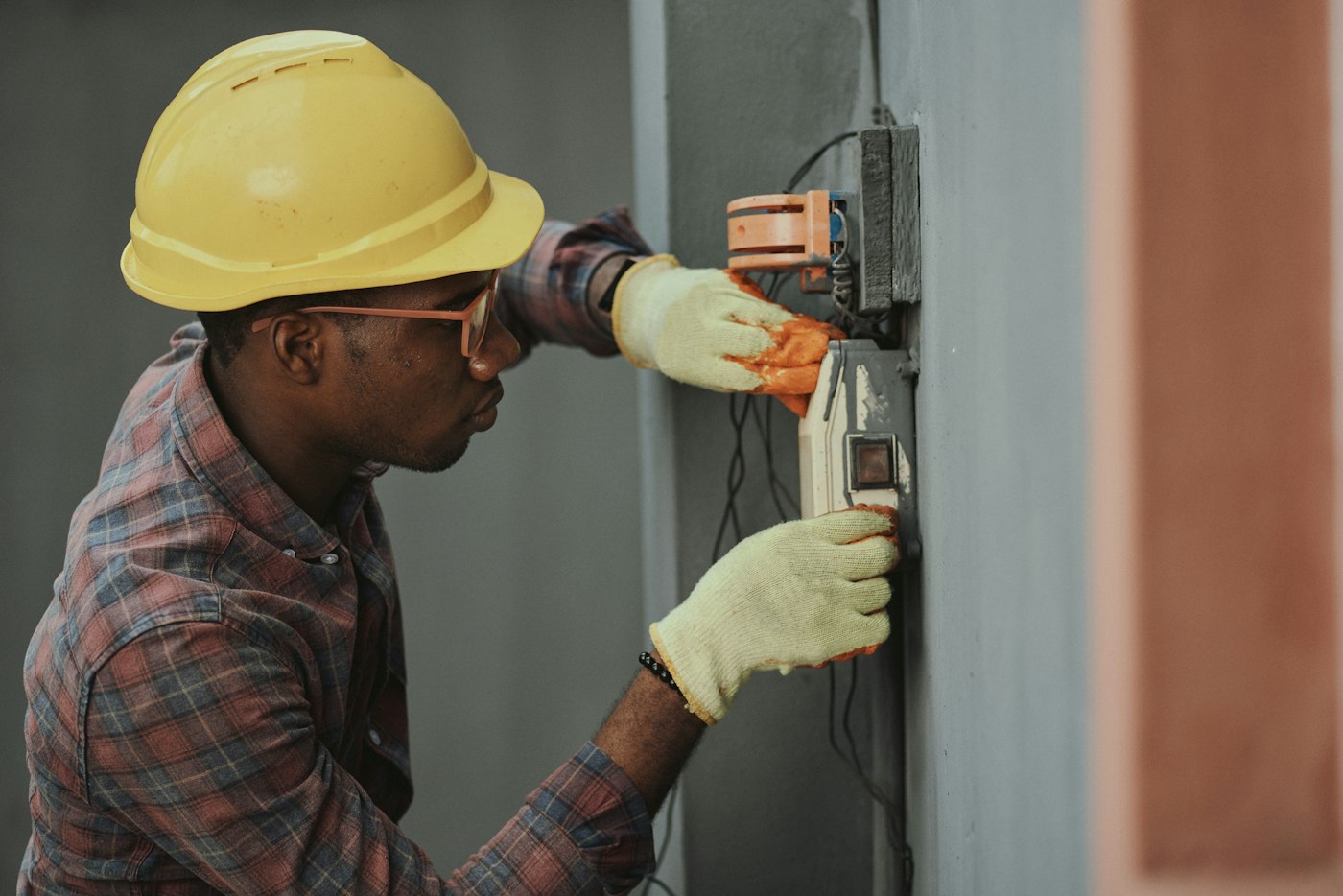
The trade tests more than average for a simple reason: electricians work around energized equipment, at height, and alongside other trades. Insurers and general contractors price that risk, and drug-free workplace programs are how it gets managed.
When you actually get tested
There are four standard trigger points, and they apply across most union programs and larger contractors.
Before you start
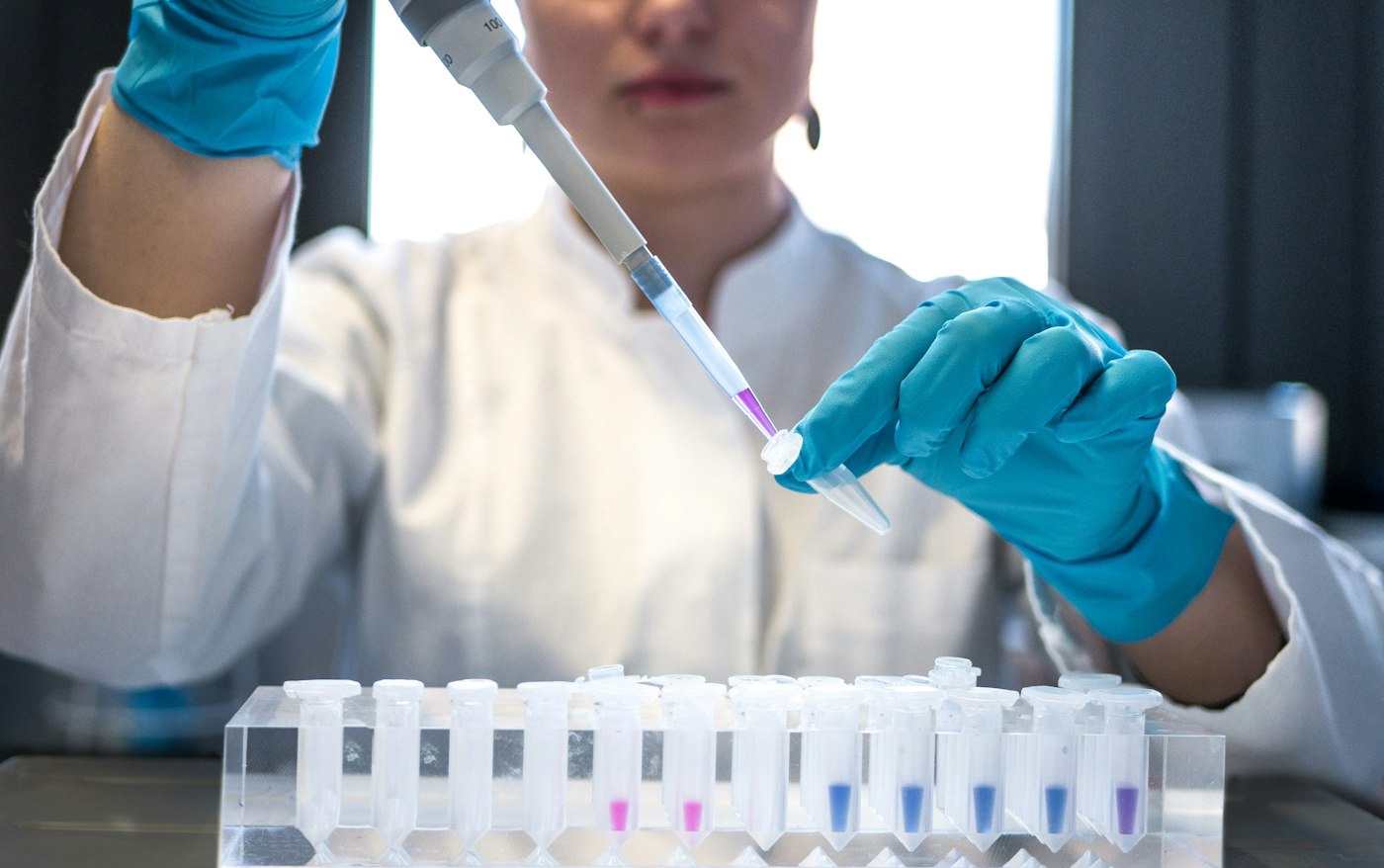
Pre-employment or pre-apprenticeship testing is the most universal one. For IBEW programs, admission is typically conditioned on passing a drug test. Fail it and you are usually out for that application cycle, not banned forever, but you lose the year.
Randomly, during the job
Random selection is normal on larger commercial and industrial sites. You get pulled with no notice. Frequency varies by contractor and by the site's own program.
After an incident
Post-accident testing is close to universal. If there is an injury or a serious near-miss, testing follows almost automatically. This applies even at shops that do not run random programs.
Returning to duty
If you have been through a positive test and a rehabilitation process, return-to-duty and follow-up testing are part of coming back.
What the test screens for
The industry standard is a 5-panel screen covering marijuana (THC), cocaine, amphetamines and methamphetamines, opiates, and PCP. Some contractors, particularly on federal or refinery work, run expanded panels that add benzodiazepines, barbiturates, and synthetic opioids.
Alcohol testing is usually separate and typically shows up in post-accident and reasonable-suspicion situations rather than in the pre-employment screen.
Union versus non-union
Union programs are generally more structured and more predictable about testing. The NECA/IBEW Drug-Free Workplace Program is a formal, written program that member contractors operate under, and individual JATCs publish their own substance abuse policies. You can usually read the policy before you apply.
Non-union is far more variable. Large industrial and commercial contractors often test as rigorously as any union shop, because the general contractor requires it. Small residential outfits frequently do not test at all.
The tradeoff is not "union tests, non-union does not." It is that union testing is documented and consistent, while non-union testing depends entirely on which shop you land in. That difference in predictability shows up across a lot of the union decision, which we broke down in union vs non-union electrician.
The marijuana question
This is where most people get the wrong idea, so it is worth being precise.
Legalisation at the state level does not generally stop an employer from testing for THC or from acting on a positive result. For safety-sensitive roles, which construction and heavy industry usually qualify as, employers can and do maintain zero-tolerance policies even where recreational use is legal and even where the worker holds a valid medical card.
A handful of states have passed laws that limit off-duty-use testing or protect medical patients from discrimination, but most states that legalised cannabis still permit employers to test. And nearly all of those protections carve out safety-sensitive positions.
The 2026 rescheduling confusion
There has been a lot of noise suggesting that federal rescheduling changed workplace rules. It did not. Department of Transportation guidance for 2026 is explicit: until the rescheduling process is finalised and individual agency rules are actually rewritten, marijuana remains prohibited for safety-sensitive employees regardless of state law or medical status.
If you are on a federally funded project or in a DOT-regulated role, treat federal rules as the ones that apply, because they are.
What happens if you fail
The consequences depend heavily on where you are in your career and whose policy applies.
Pre-employment or pre-apprenticeship — usually removal from that application or hiring cycle. You can typically reapply the following cycle.
Random, as an apprentice — this is where JATC zero-tolerance language matters. Depending on the local, outcomes range from mandatory evaluation and rehabilitation to termination from the program.
Post-accident — the most serious version. A positive result after an injury can affect workers' compensation eligibility in some states, on top of employment consequences.
As a journeyman — most union programs route through evaluation and a return-to-duty process rather than immediate permanent removal, but the specifics are local.
The variation here is real, which is why the single most useful thing you can do is read the actual policy rather than rely on what someone told you on a forum.
How to find out what applies to you
Three practical steps:
Read your JATC's substance abuse policy. Many locals publish it as a PDF on their website. It will tell you the panel, the triggers, and the consequences in plain language.
Ask during the application process. Asking about the testing policy is a normal, professional question. It does not flag you as a problem.
Check whether the work is federal or public. Federally funded projects tend to carry the strictest requirements, and those override anything more relaxed at the state level.
Does this make the trade harder to get into?
Slightly, and mostly for people who assumed legal cannabis meant no testing. The entry process already has real hurdles: aptitude testing, interviews, ranked eligibility lists, and a wait. We covered those in how hard it is to get an IBEW apprenticeship.
The drug screen is a straightforward, knowable requirement rather than a hidden trap. Unlike the physical wear the trade puts on you, which we covered in is being an electrician hard on your body, this one is fully within your control and fully disclosed in advance.
So, do electricians get drug tested?
Yes. Expect a 5-panel screen before you start, random testing on larger jobs, and testing after any incident. Expect union programs to be consistent and documented, and non-union to swing widely by shop.
And do not assume that a legal-weed state changes the answer. For safety-sensitive construction work, it usually does not, and federal rules for 2026 have not changed that either.
Policies vary by local, by contractor, and by state, so confirm the specifics with the JATC or employer you are actually applying to before you make any decisions based on general information.


