
Data center electrician jobs are the loudest hiring story in the American trades right now, and most of what gets written about them is either a press release or a trade school ad. Both versions say the same thing: enormous demand, huge money, sign up today.
The demand is real. The rest deserves a closer look, because these jobs are not one job, the pay depends on which one you take, and the boom has a shape that matters if you are planning a career around it.
The short answer
Data centers need more electrical labor per square foot than almost any other building type, and the AI buildout has concentrated that need into a handful of US markets. That is genuine, and it is pushing overtime and travel pay up in those markets.
But "data center electrician" splits into two very different careers — construction and critical facility operations — and they have opposite trade-offs on money, stability, and lifestyle. Picking the wrong one for your situation is the actual mistake people make here.
Why data centers need so many electricians
An office building is a structure that happens to have power in it. A data center is closer to the opposite: an electrical system with a building wrapped around it.
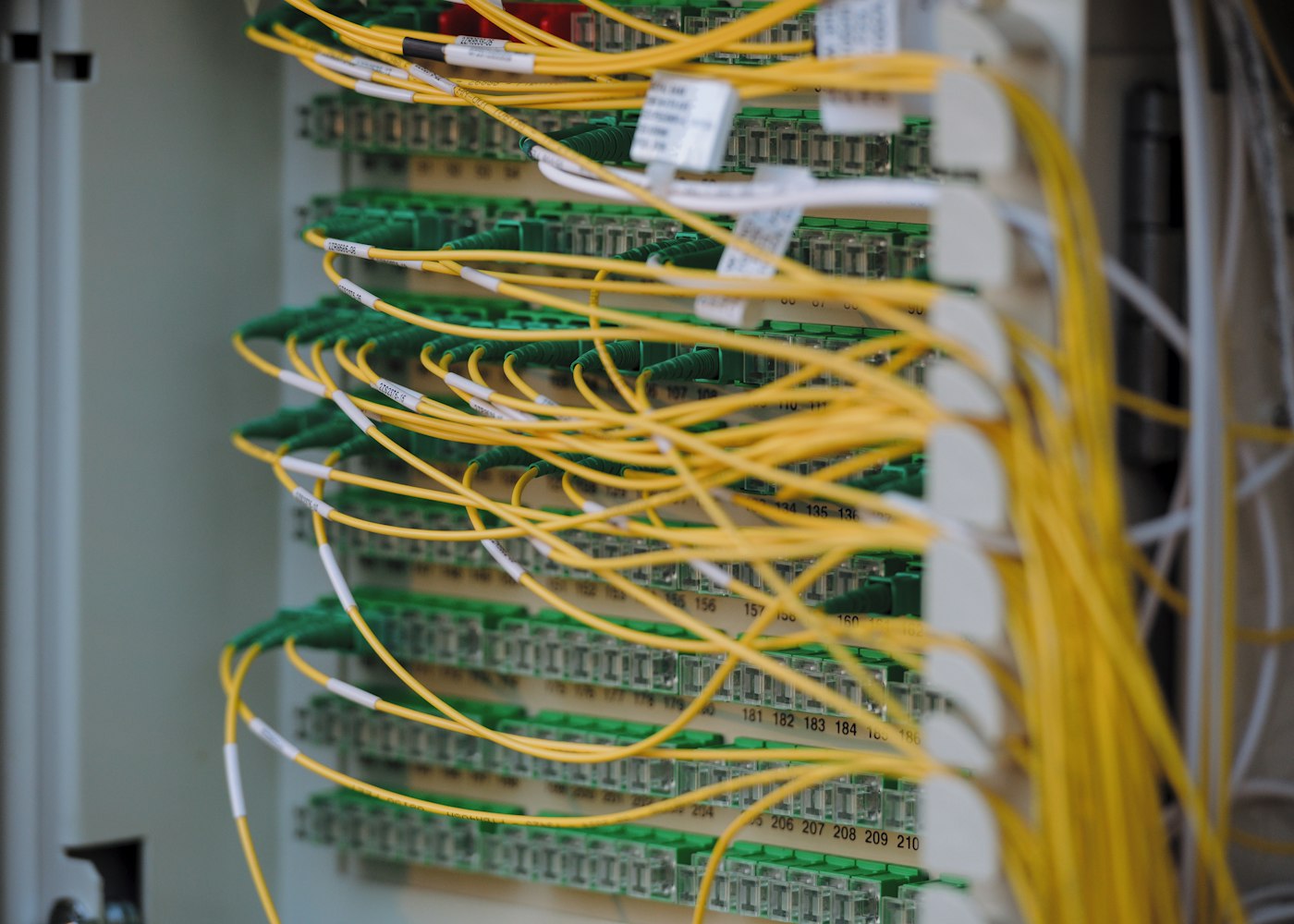
The electrical system is the point
In a normal commercial building, electrical scope is one trade among many. In a data center, the power chain is the product. Utility service comes in at medium voltage, runs through switchgear, then UPS systems, then power distribution units, then finally to the racks — and every link in that chain has to be installed, terminated, tested, and commissioned.
Add the cooling load, which is itself enormous and electrically driven, plus standby generation sized to carry the entire facility, and the electrical scope on these projects is far larger than on conventional construction of the same footprint.
Redundancy multiplies everything
This is the part outsiders miss. Data centers are built so that no single failure takes the load down, and so that maintenance can happen without shutting anything off. In practice that means duplicate distribution paths — the industry talks about N+1 and 2N configurations.
Redundancy is not a design detail. It means installing a second complete power path, which roughly doubles a large share of the electrical work. That is a big reason these projects consume so much skilled labor.
Where the jobs actually are
This work is not spread evenly across the country. It clusters where land, fiber, and — above all — available grid capacity line up.
- Northern Virginia, especially Loudoun County, is the largest data center concentration in the world and still the center of gravity.
- Texas, particularly the Dallas–Fort Worth corridor and increasingly West Texas, where power is cheaper and available faster.
- Phoenix and central Arizona, now one of the fastest-growing markets.
- Atlanta, Columbus and central Ohio, Salt Lake City, Iowa, and central Washington all carry significant activity.
The practical consequence: if you are not already in one of these markets, data center work usually means travelling to it. That is normal in this trade and it comes with per diem, but it is a lifestyle decision before it is a pay decision.
It is also worth knowing that power availability — not demand — is currently the binding constraint on new construction. Utility interconnection queues and long lead times on transformers and switchgear set the pace. When people say a market has "run out of power," that is what they mean, and it moves projects to the next market rather than stopping them.
The two jobs hiding inside one job title
Almost every disappointment with data center electrician work traces back to not knowing which of these you signed up for.
Construction
Building the facility. Conduit, cable tray, feeders, busway, switchgear and generator installation, medium voltage terminations, then commissioning. It is jobsite work on an aggressive schedule, usually as part of a very large crew.
The schedules are the defining feature. These projects are racing to energize, so overtime is abundant and often expected rather than offered. When the project finishes, the work moves — either to the next phase, the next campus, or the next state.
Critical facility operations
Keeping a live facility running. Preventive maintenance on switchgear and UPS systems, generator testing, load bank testing, infrared scanning, and executing scripted procedures under change control.
This is a fundamentally different discipline. You are working in and around energized equipment that cannot go down, so the job is procedure-heavy, documentation-heavy, and unforgiving about shortcuts. It is also indoor, climate-controlled, and far more stable than construction.
These roles sit with the operator itself or with the facilities management firms that run sites on their behalf.
What the pay actually looks like
The honest version of this requires separating the two paths, because they earn in different shapes.
Construction: scale, overtime, and per diem
In most data center markets this is union work, so the base is the local journeyman rate — a published number you can look up rather than guess at. If you are not familiar with how that progression works, we broke it down in electrician apprenticeship pay by year.
The money above scale comes from three places: heavy overtime, shift premiums on projects running around the clock, and per diem if you travelled in for the job. Travelling hands on a busy data center project can earn substantially more than the local scale suggests, which is exactly why the work attracts road crews.
The catch is that all three of those are project-dependent. Overtime evaporates when a project winds down, and per diem ends when you go home. Treat boom earnings as boom earnings, not as your new baseline.
Operations: salary, shift differential, stability
Critical facility roles are usually salaried, frequently with shift differentials for nights and weekends, and they come with benefits packages that construction work generally does not match. Base pay is competitive because operators genuinely cannot afford turnover in these seats.
Total annual earnings often land below a construction electrician working a heavy overtime year — and above that same electrician in a slow year. You are trading ceiling for floor.
How to get in
If you are starting from zero
There is no data center shortcut. You get in through a normal electrical apprenticeship and then move toward this work. A union apprenticeship in one of the markets listed above puts you on data center projects almost automatically, because that is what is being built there. The selection process is competitive and we covered it in how hard it is to get an IBEW apprenticeship.

The non-union path also exists — several very large merit-shop electrical contractors do enormous volumes of this work. The trade-offs between the two are worth understanding before you commit, and we compared them in union vs non-union electrician.
If you are already a journeyman
You are the person these projects are short of. Getting on is mostly logistics: signing the books in an active market, or applying directly to the large electrical contractors holding the packages. Medium voltage experience and any commissioning background move you to the front of the line.
If you are coming out of the military
This is an unusually good fit and it is underused. Shipboard and base power generation experience, generator maintenance, and switchgear familiarity all map directly onto critical facility work — and so does the procedural discipline, which is genuinely half the job. Operators actively recruit veterans for exactly this reason. If you are weighing that transition, our breakdown of whether 4 years in the military is worth it covers what carries over.
Certifications that actually matter
Skip the ones that sound impressive and get the ones employers filter on:
- NFPA 70E arc flash safety training. Non-negotiable for energized work in critical environments.
- OSHA 30. Standard on large construction sites.
- Medium voltage qualification. Termination and switching experience is the single biggest differentiator on the construction side.
- Manufacturer training on the major switchgear and UPS platforms. This matters enormously for operations roles and it is usually employer-provided once you are in.
- Your journeyman license, which remains the credential everything else sits on top of.
The honest downsides
Nobody selling this career mentions these, so here they are.
Construction booms are cyclical by definition. Data center construction is unusually strong right now, but it is still construction. Markets saturate, projects finish, and the work relocates. Building a life around a boom market without a plan for the next one is how people get caught out.
Travel is often the real requirement. The high earnings stories usually belong to people living in hotels away from their families for months. That is a legitimate choice and a lot of hands make it deliberately, but it should be a choice rather than a surprise.
The hours are long and the schedules are unforgiving. Commissioning and outage work happens at night and on weekends because that is when it can happen. The physical toll is the ordinary electrical trade toll, which we went through in is being an electrician hard on your body.
The "shortage" framing oversells it. What is genuinely short is experienced journeymen with medium voltage and commissioning background in specific markets. That is not the same as a guaranteed outcome for someone starting an apprenticeship today. The apprenticeship is still four to five years, and it still has to be earned.
So are data center electrician jobs worth chasing?
Yes, with a clear head about which version you are chasing.
If you want maximum earnings and you are mobile, construction in an active market during a buildout is close to the best money available in the trade, and this buildout is the largest in a long time. Take the overtime, save the per diem, and do not assume the peak is permanent.
If you want stability, critical facility operations is one of the strongest positions in the entire electrical trade — indoor, technical, recession-resistant, and attached to companies that cannot let the building go dark. It pays less at the top and considerably more at the bottom.
The best part is that you do not have to decide now. Both paths start with the same apprenticeship and the same license. Get the credential first; the data centers will still be hiring when you have it.


