
Trump Canada tariffs 2026: What Americans should know
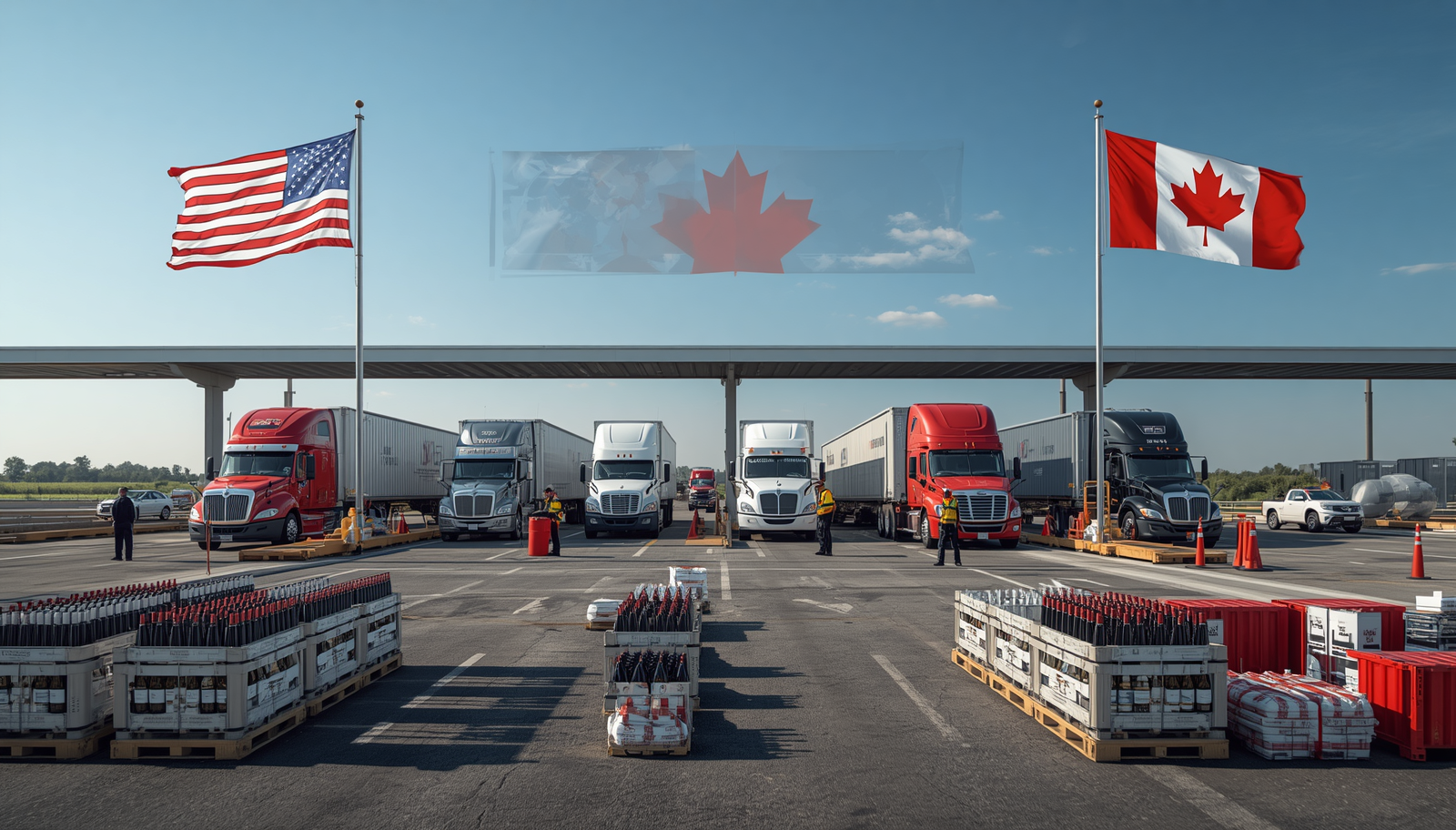
A bottle of Canadian wine, a shipment of cement, and a new hockey stick may soon have something unexpected in common: a much larger tax when they enter the United States.
President Donald Trump announced new tariffs on selected Canadian imports on July 20, 2026. They were due on August 19, but a proclamation signed on August 18 suspended them for three days and reset the start to 12:01 a.m. Eastern on August 22. The duties have been collected since then. Although the headline figure is 50%, the policy does not cover every product Canada sells to the United States, and the scope has changed twice since it began.
For American consumers and importers, that distinction matters. Some businesses face higher costs, while many major Canadian exports remain exempt. This article was last verified on September 20, 2026.
Where the Trump Canada tariffs 2026 stand now
The picture has moved a long way from the July announcement, so start with the sequence:
July 20, 2026: three proclamations impose an extra 50% duty on listed Canadian alcoholic beverages, dairy and motor-vehicle goods.
August 18: a three-day suspension pushes the start date back to August 22.
August 22: the duties take effect. Talks had not produced a deal.
September 8: Canada imposes counter-tariffs of 15%, 25% and 50% on a list of American goods.
September 15: two further proclamations widen the product scope and drop the earlier carve-out for goods already paying Section 232 duties.
September 29: listed Canadian products are barred from importation altogether, not merely taxed.
What did Trump announce?
Trump signed three proclamations imposing additional 50 percent tariffs on Canadian goods covered by the orders. The administration used Section 338 of the Tariff Act of 1930
(https://www.whitehouse.gov/fact-sheets/2026/07/fact-sheet-president-donald-j-trump-imposes-additional-tariffs-on-canada/), a rarely used law that allows the president to respond when another country is judged to discriminate against American commerce.
According to the White House, the tariffs are a response to Canadian policies affecting American vehicles, alcoholic beverages, and dairy exports.
The duties will apply even when a covered product would otherwise qualify for preferential treatment under the United States-Mexico-Canada Agreement (USMCA).
Canadian products affected by tariffs
The tariffs cover selected Canadian products, including wine, cement, hockey sticks, and other sporting equipment. Some goods that previously qualified for preferential treatment under USMCA may also be affected. However, several major imports are exempt, including energy products, potash, fish, critical minerals, and products already subject to Section 232 tariffs. Readers should consult the official tariff schedules to confirm whether a specific product is covered.
One exemption has since gone. Goods already covered by Section 232 duties were originally carved out, but the September proclamations direct that the 338 duty applies on top of Section 232 for goods in the widened scope, effective September 15.
Shoppers should not assume that every Canadian product will become 50% more expensive. The tariff applies only to covered imports, and the final retail effect will depend on decisions made by importers, suppliers, and stores.
Why is the United States imposing the tariffs?
The White House says Canada has treated American products unfairly. Its complaints include Canadian restrictions on U.S. alcohol, policies affecting vehicle imports, and dairy quotas.
Canada rejects that account. Prime Minister Mark Carney said the measures violate USMCA and argued that Canada had matched earlier American trade restrictions. His government offered further negotiations while reserving the right to respond, and on September 8 it imposed counter-tariffs of 15%, 25% and 50% on a list of American goods. The prime minister's official statement
(https://www.pm.gc.ca/en/news/statements/2026/07/20/statement-prime-minister-carney-united-states-administrations-intention) presents Canada's position.
These competing claims have pushed the US Canada trade war into a new phase. The window for a deal before the duties landed has closed, both sides are now taxing each other, and no further suspension has been issued.
Who pays a tariff?
A tariff is collected from the U.S. importer of record when covered goods enter the country. U.S. Customs and Border Protection explains that importers must deposit estimated duties after merchandise arrives.
Consider a simplified example. If a covered shipment has a customs value of $1,000, an additional 50% tariff would add $500 to the importer's cost before other applicable fees.
The importer then has several choices:
- Raise the selling price
- Absorb part of the added cost
- Ask the Canadian supplier for a lower price
- Replace the product with an American or non-Canadian alternative
This is why a 50% tariff does not automatically produce a 50% increase on a store shelf. However, products with narrow profit margins or few substitutes may be more likely to become expensive or less available.
What do the tariffs mean for USMCA?
USMCA was designed to reduce trade barriers among the United States, Canada, and Mexico. The new orders state that covered Canadian products will face the additional duty even if they meet the agreement's origin rules.
That creates uncertainty for companies that built their supply chains around duty-free North American trade. Importers covered by the orders have had to review product classifications, contracts, inventory and alternative suppliers, and the widened scope of September 15 pulled in classifications that were outside the orders in August.
The two governments also disagree over whether the tariffs comply with USMCA. Readers should treat that as an unresolved trade dispute rather than a settled legal conclusion.
What happens next?
The next fixed date is September 29, when the listed alcoholic beverage, dairy and motor-vehicle goods can no longer be imported at all. Goods entered for consumption before that date stay on the 50% duty instead. Trump retains the authority under Section 338 to amend, suspend or revoke the proclamations, and he has used it so far only to widen them. Consumers do not need to rush into purchases based on headlines. A better approach is to check whether a specific product is covered, and to expect some listed goods to become hard to find rather than simply pricier.
Frequently asked questions
1. When did the Canada tariffs begin?
At 12:01 a.m. Eastern on August 22, 2026. The original date was August 19, but a proclamation of August 18 suspended the duties for three days.
2. What happens on September 29, 2026?
The listed Canadian products can no longer be imported into the United States at all. Goods entered for consumption before that date are charged the 50% duty instead. USMCA origin does not exempt them.
3. Are all Canadian goods subject to a 50% tariff?
No. The orders cover selected products. Energy, potash, fish, critical minerals, and certain other goods are exempt.
4. Will American prices increase immediately?
Not necessarily. Businesses may pass on the cost, absorb it, negotiate with suppliers, or switch products. Price changes will vary by industry and retailer.
What Trump Canada tariffs 2026 mean for Americans
The Trump Canada tariffs 2026 are no longer a threat to be negotiated away. They have been collected since August 22, the product list grew on September 15, Canada is taxing American goods in return, and on September 29 the listed goods stop crossing the border at all. Their effect still falls on covered imports rather than every Canadian product, and how much reaches shelf prices depends on what importers absorb.


